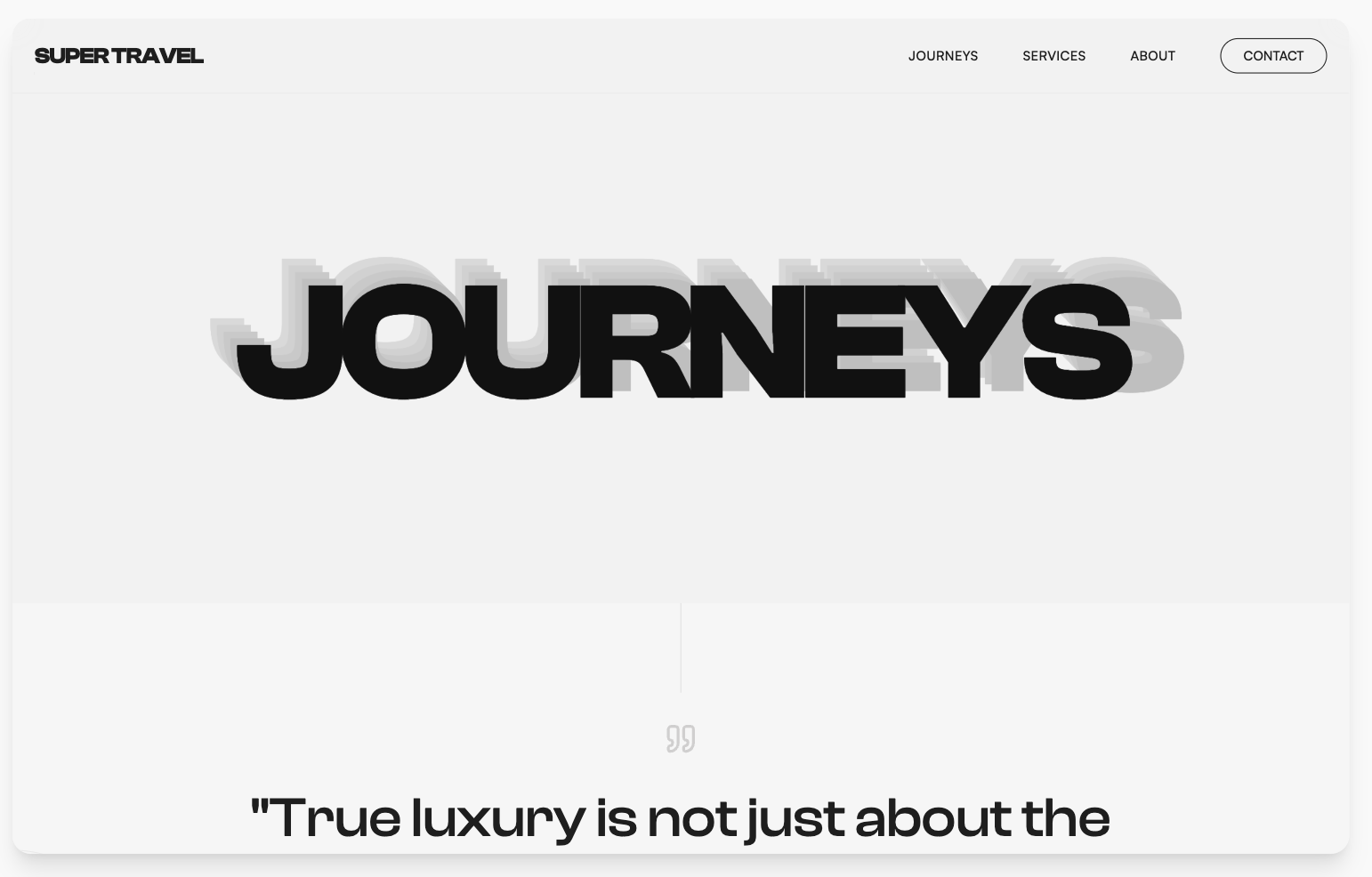
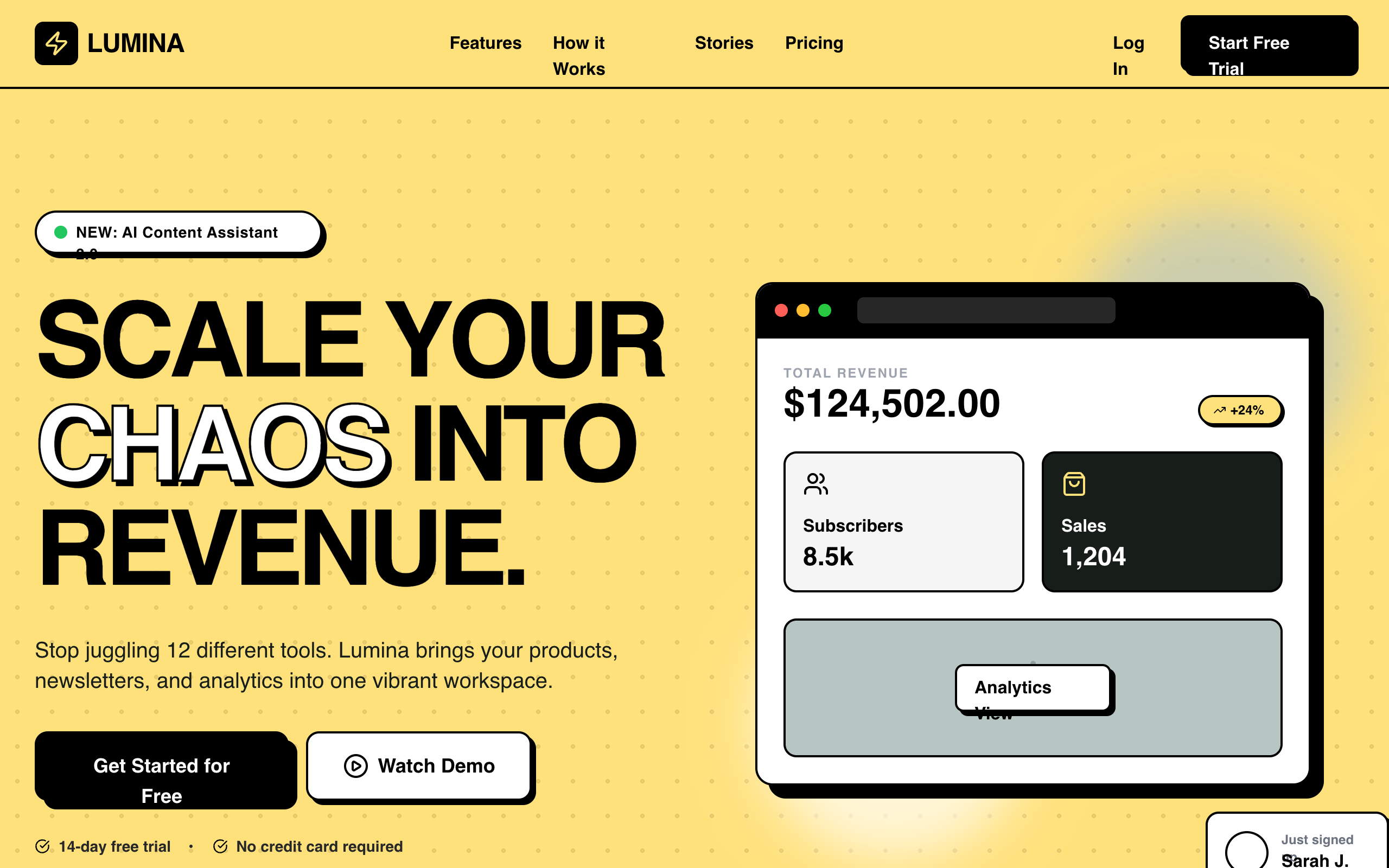
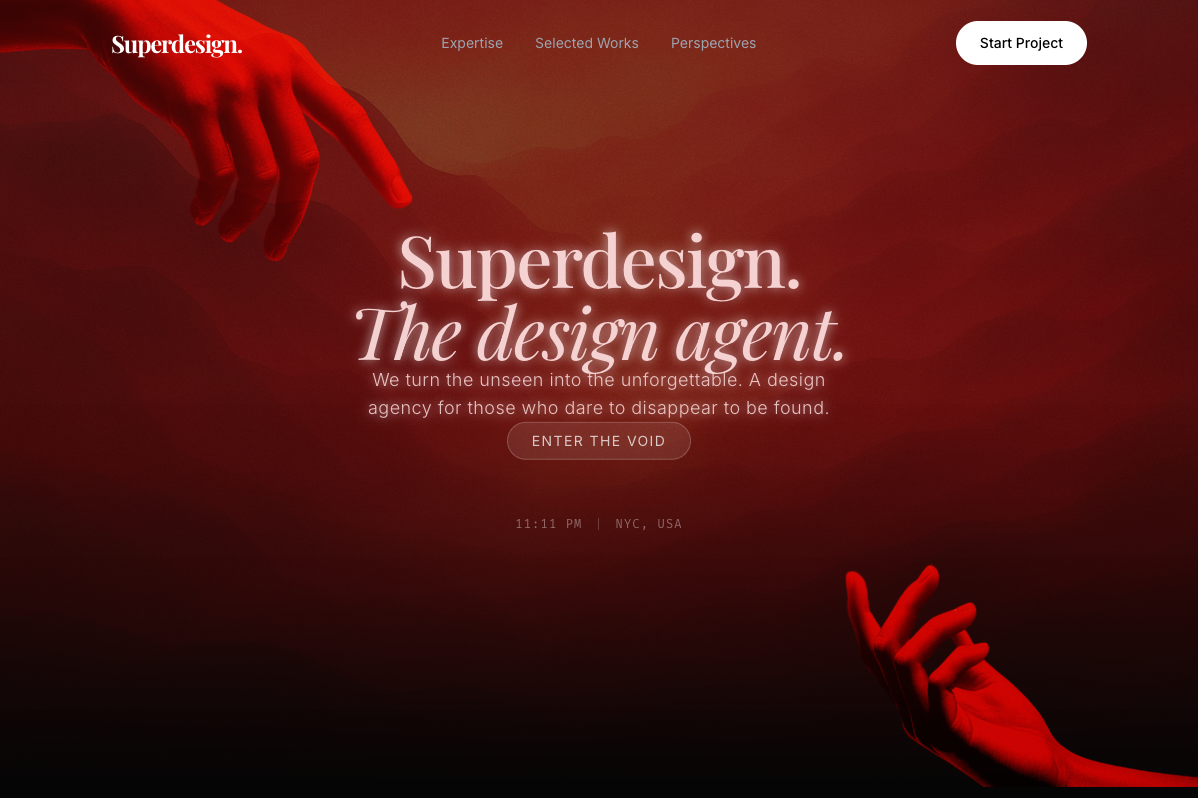
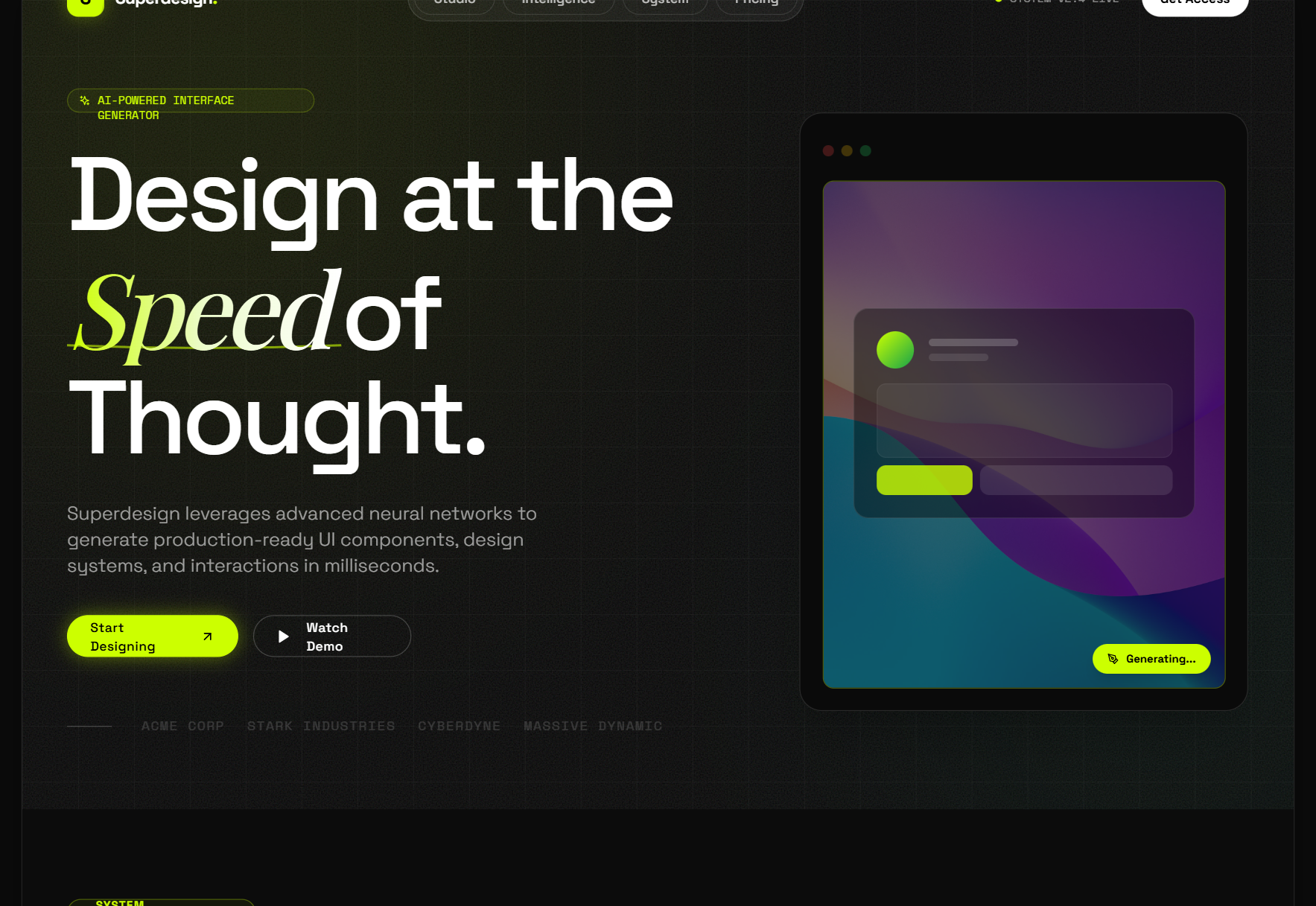
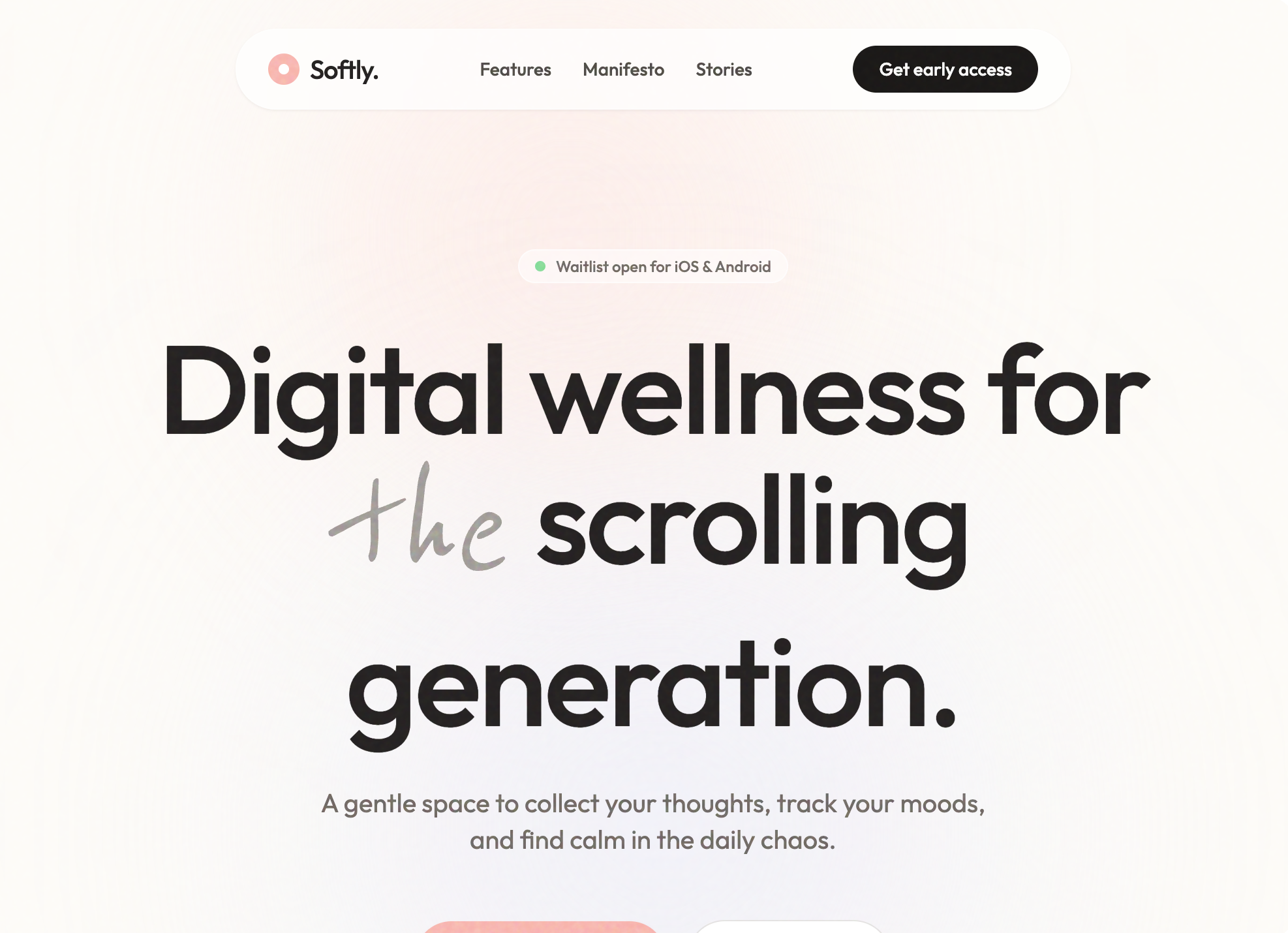
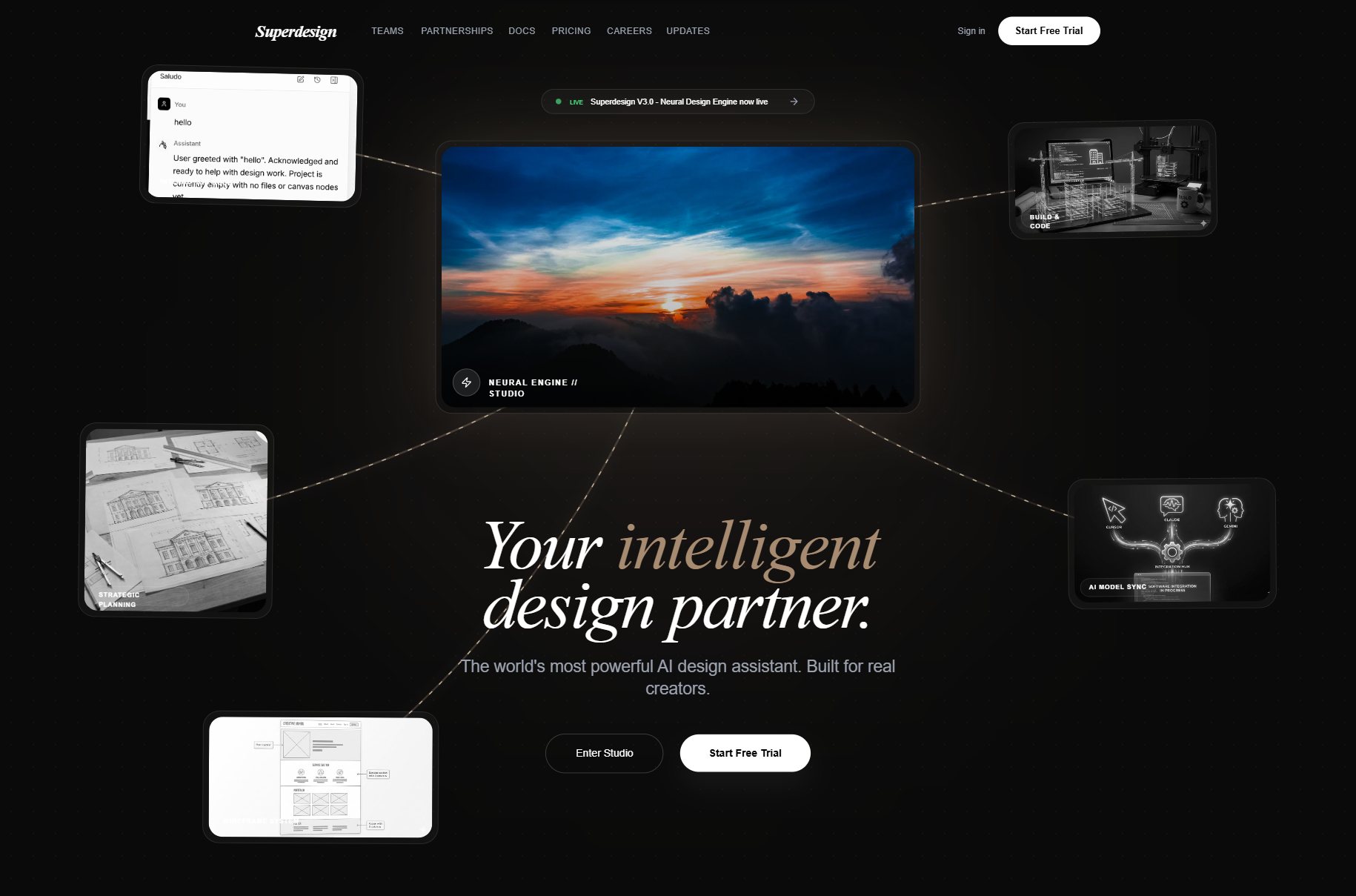
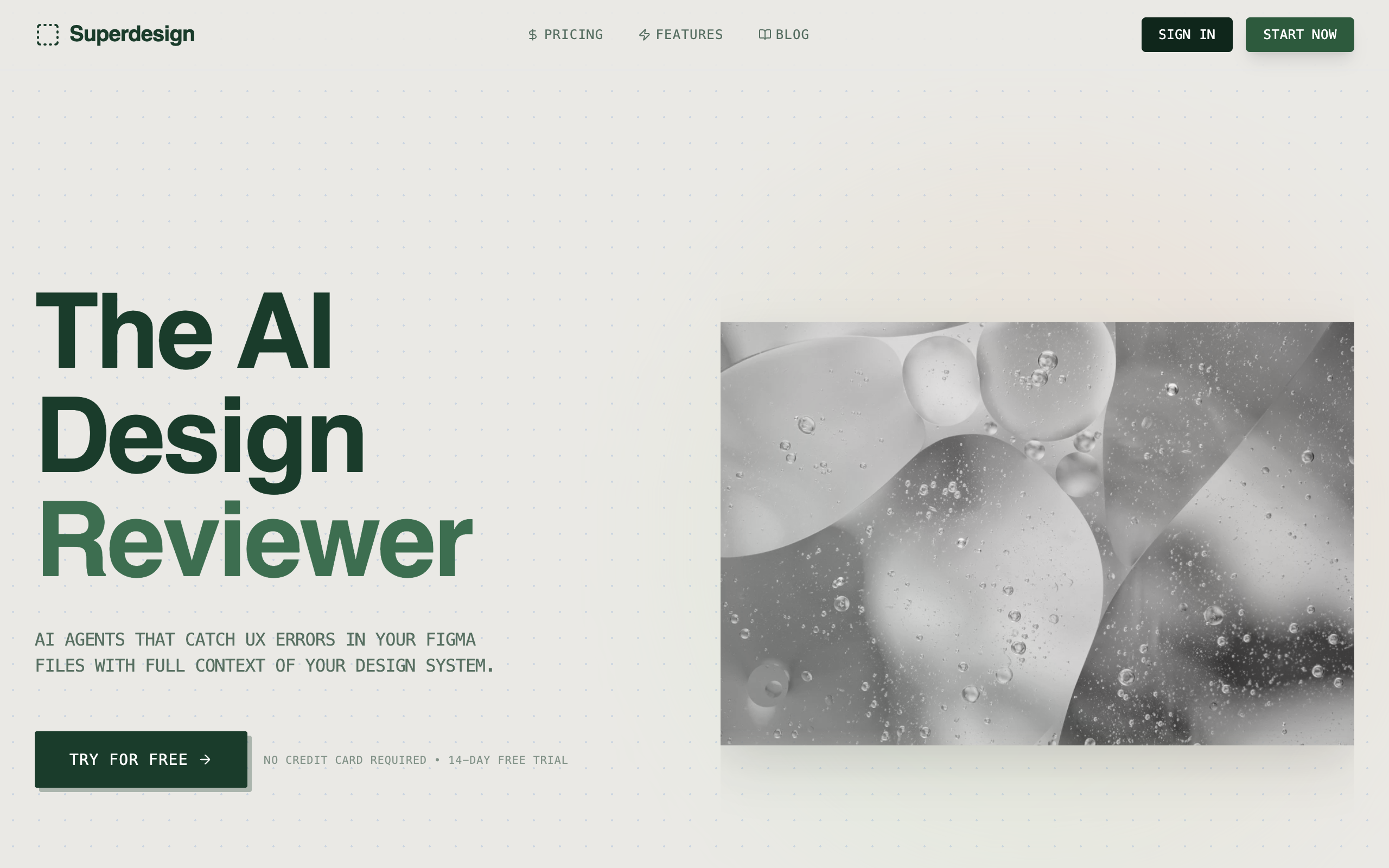
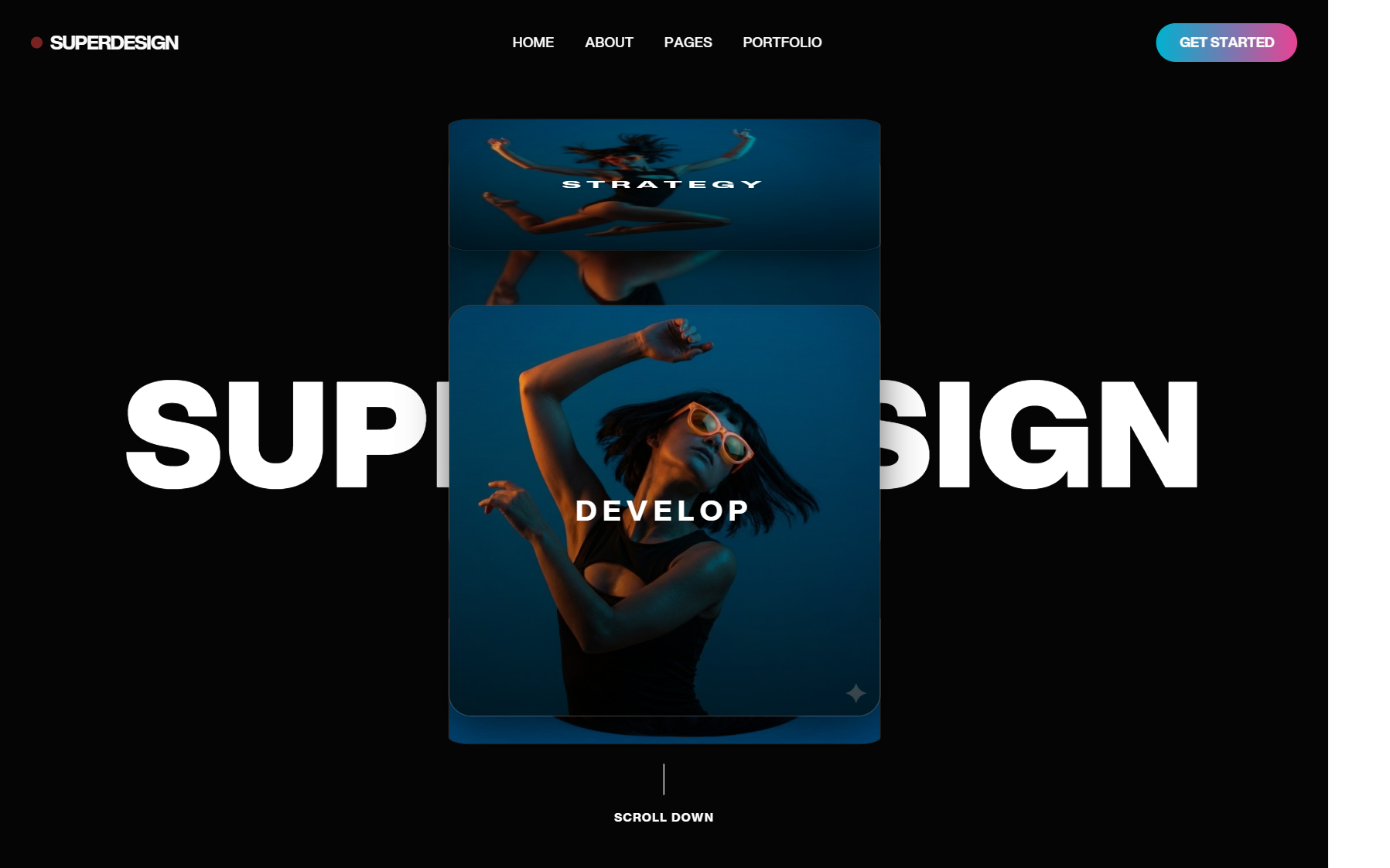
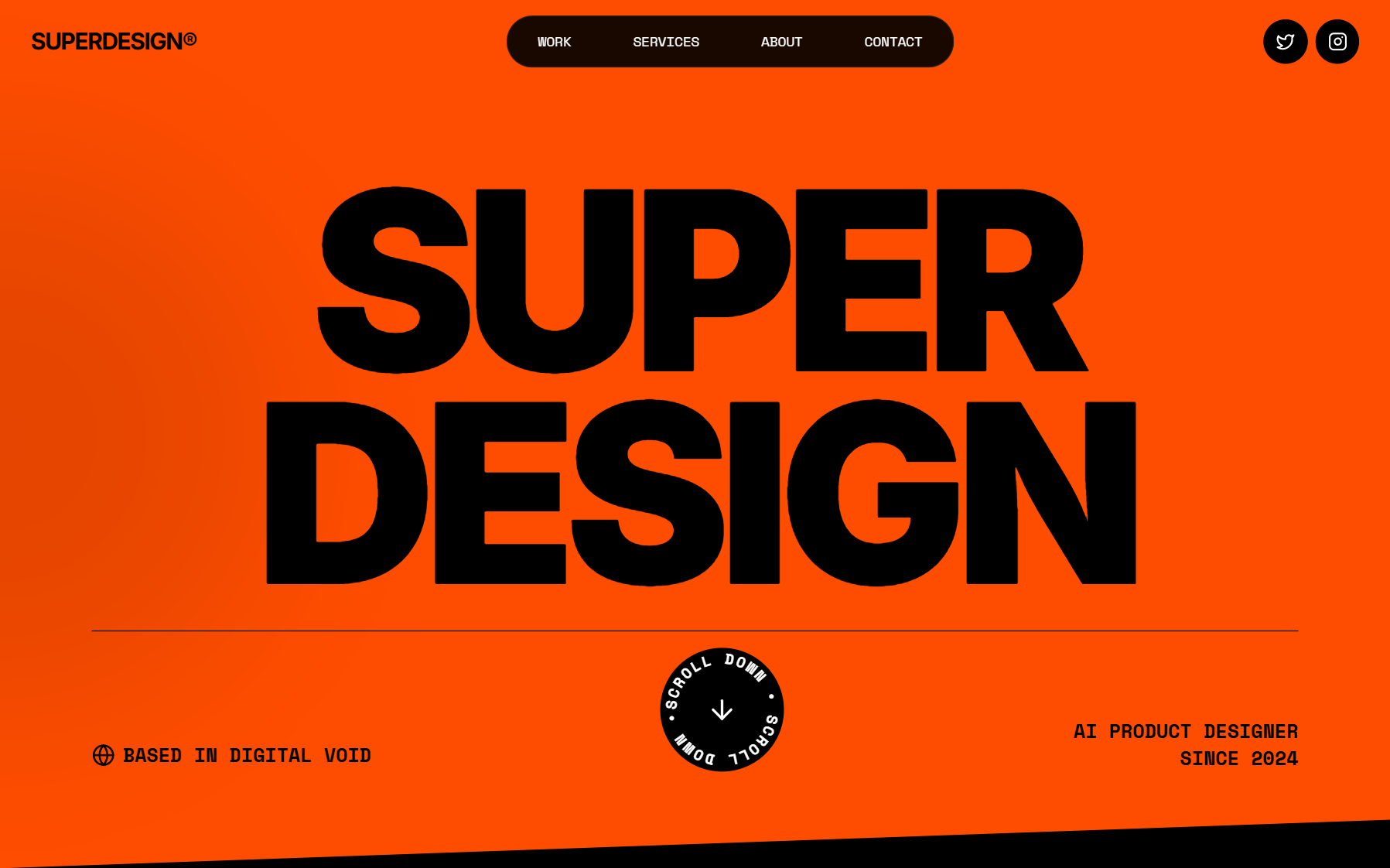
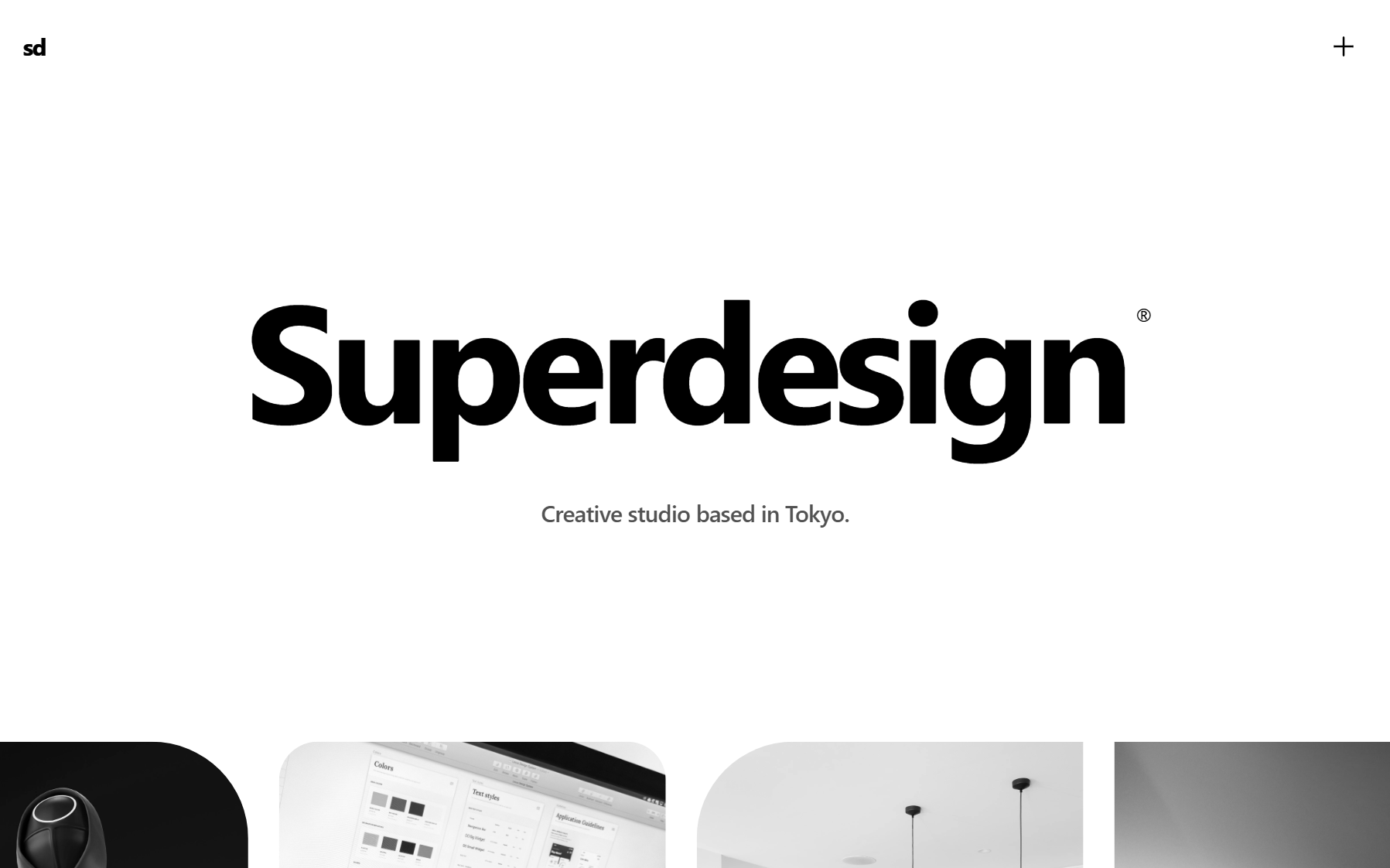
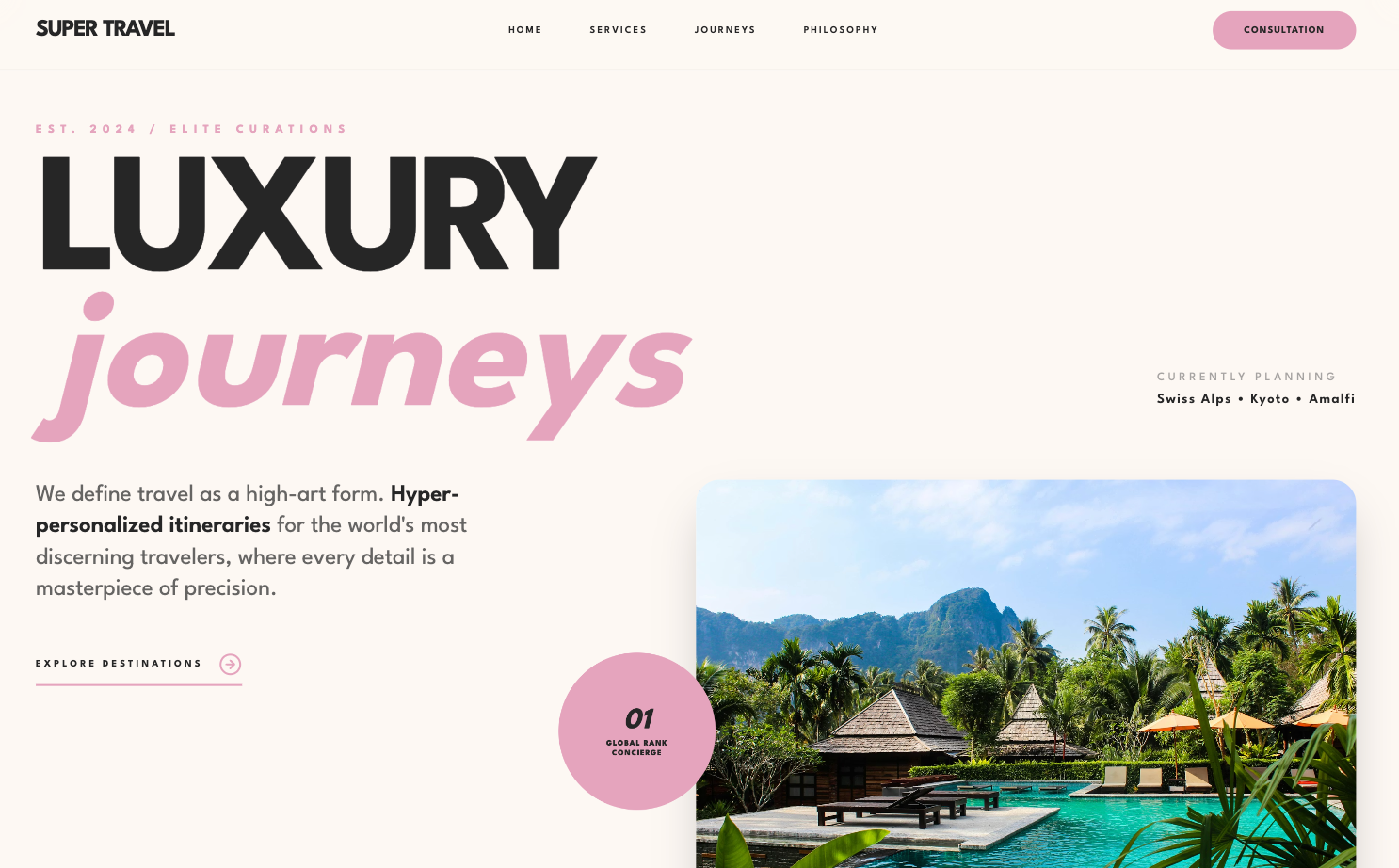
A startup landing page generator turns a one-line description of your idea into a launch-ready page: a hero, a value prop, a waitlist or early-access form, and a single call to action. For a founder, the useful version does one more thing the template builders skip: it hands you real React and Tailwind you own and can ship to your own domain, instead of locking your page inside someone else's editor.
This guide is for founders and indie hackers who need a page live this week, not a six-week design project. We will cover what an early-stage landing page actually needs (and where it differs from a mature SaaS page), then how to generate one with AI and walk away with code you control. If you want the full landscape of tools first, see the best AI landing page generator.

Generate a startup page in 4 steps
You describe the idea in plain English and get a launch-ready page back, then ship the real code to your own domain. The whole loop:
Generate and ship a startup page
Describe the idea in plain English
Give an AI design agent your product, audience, the problem it solves, and your waitlist incentive. The more specific the outcome, the less generic the page comes back.
Explore a few hero directions at once
Fork several hero and value-prop treatments on the canvas instead of re-rolling one prompt over and over, then keep the sharpest.
Grade it on the essentials
Run the five-second test: one outcome-driven value prop, one call to action, a reason to act now, all above the fold.
Take the React and ship to your domain
Because the output is real React and Tailwind, drop it into a Next.js or Vite app, push to GitHub, and connect Vercel or Netlify. No export step, no lock-in.
What does an early-stage startup page need?
An early-stage landing page needs five things and nothing else: a sharp one-line value proposition, the problem it solves stated plainly, one clear call to action (usually a waitlist or early-access signup), a shred of founder credibility, and a clean, fast design. Everything beyond that is a distraction from the single decision you are asking a visitor to make.
The hard part is restraint. Mature SaaS pages can afford feature grids, pricing tiers, integration logos, and a footer the size of a sitemap because they have proof and traffic to support it. You have neither yet. Your page has one job: convince a stranger, in the few seconds before they bounce, that this is worth their email. Nielsen Norman Group's eyetracking work found roughly 80% of viewing time goes to content above the fold, and that visitors only scroll if what they see up top promises the rest is worth it (NN/G). So your value prop, your CTA, and your reason-to-believe all need to land before anyone scrolls.
The early-stage landing page checklist
- ✓A one-line value prop that names the outcome, not the features
- ✓The problem framed so the right person thinks 'that's me'
- ✓One call to action, repeated (waitlist or early access), no competing buttons
- ✓A reason to trust you now: founder name, a real demo clip, or a credible 'why us'
- ✓Fast load and clean design, with the value prop and CTA above the fold
- ✓Email-only signup form, ideally one field
Verbatim from NN/G + waitlist conversion research
How a startup page differs from a SaaS page
A startup page optimizes for speed and a single conversion, while a mature SaaS page optimizes for evaluation across many features and plans. That difference should shape every choice you make, from copy length to how many sections you ship.
| Early-stage startup page | Mature SaaS page | |
|---|---|---|
| Primary goal | One conversion: join waitlist / get early access | Many goals: trial, demo, pricing, docs, login |
| Proof you have | Founder credibility, a vision, an early demo | Customer logos, case studies, testimonials, reviews |
| Length | Short: hero, one or two benefits, CTA | Long: features, pricing, integrations, FAQ, footer |
| Navigation | Usually none, to protect the single CTA | Full nav, multiple paths |
| Build speed | Hours, because the idea may change next week | Weeks, with design and brand investment |
The trap founders fall into is building the mature page before they have earned it. You copy a SaaS template, fill it with placeholder logos and invented testimonials, and end up with a page that looks busy but says nothing. Resist it. A waitlist landing page has one job, and removing the navigation alone is reported to lift conversion (LaunchList). Strip first, add later.
What makes a value prop sharp?
A sharp value proposition names a specific outcome in plain language, not a clever slogan. "The inbox that writes your replies" beats "The future of email," because the first tells a stranger exactly what changes in their life and the second makes them guess.
This is the single highest-leverage thing on the page. In one Unbounce five-second test, a vague headline left only 6% of people able to say what the product did, and reordering the copy so the clear line led pushed that to 20% (Unbounce). Run the same test on yourself: show your hero to someone for five seconds, hide it, and ask what it does and who it is for. If they cannot answer, the design does not matter yet.
One more move that founders miss: a waitlist page has two value props, not one. The product value (what your thing does) and the waitlist value (why join now rather than later). Early access, founder pricing locked in, or a spot in line are all concrete reasons to act today instead of bookmarking and forgetting (Waitlister).
How do you generate one with AI?
You describe the idea in plain English to an AI design agent and get a full page back: headline, subhead, problem framing, a benefits section, and a signup form. The difference between a toy and a tool is what comes out the other end. Most builders give you a page trapped inside their hosting and their editor. An agent like Superdesign gives you real React and Tailwind you own, so the page is yours to extend, restyle, or ship anywhere.
That ownership matters more for a startup than for anyone else, because your page is going to change constantly. The headline that felt right on Monday is wrong after your first ten conversations. If the page is real code in your repo, you tweak a line and redeploy. If it is locked in a no-code builder, you are renegotiating with the tool every time your story shifts.
Two practical extras Superdesign leans on for this: you can explore several hero directions at once on its canvas instead of re-rolling one prompt over and over, and the free prompt library gives you starting prompts that produce good UI on the first try rather than the average-looking gradient page every generator drifts toward. You can do this in the browser with the AI landing page generator or drive it from your editor as a skill. For the deeper case on why owning the code beats a locked builder, see the best AI landing page generator.
Here is a starting prompt for a waitlist page. Be specific about the outcome and the audience, because the model only knows what you tell it.
Design a single-purpose waitlist landing page for an early-stage startup.

Product: [one sentence: what it does and the outcome it creates]
Audience: [who it's for, e.g. "solo founders drowning in support tickets"]
The big problem it solves: [the pain in their words]
Waitlist incentive: early access + founder pricing locked in for the first 100

Requirements:
- Hero: one outcome-driven headline (name the result, not the features), a one-line
subhead that adds clarity, and an email-only signup form above the fold.
- No top navigation. One call to action, repeated once lower on the page.
- A short "the problem" section, then 2-3 benefit blocks (outcomes, not features).
- A small founder credibility line near the form.
- Clean, fast, mobile-first. Confident type, one accent color, lots of whitespace.
Avoid the generic centered-hero + three-emoji-cards + purple gradient look.

Output real React + Tailwind I can drop into a Next.js project.
If you are iterating rather than starting cold, a second prompt to sharpen what you have works well:
Here's my current hero. Rewrite the headline and subhead three different ways, each
naming a specific outcome for [audience]. Then lay the three versions out side by side
so I can compare them. Keep the email-only form and the single CTA. No slogans, plain
language, 5th-to-7th grade reading level.
How do you ship it to your own domain?
Because the output is plain React and Tailwind, you deploy it like any other front-end project: drop it into a Next.js or Vite app, push to GitHub, and connect a host like Vercel or Netlify to your domain. There is no export step, no "download my HTML," no platform lock to escape later. The page is just code in your repo from the first minute.
This is the quiet advantage of generating code instead of a hosted page. Your waitlist page becomes the seed of your actual product front-end. When you launch, the hero you tested as a waitlist page can grow into the real homepage, in the same codebase, with the same components. You are not throwing away the landing page to start a "real" site, you are continuing it. If you also work in Cursor or Claude Code, you can drive the whole thing from your editor, see Cursor for design for how a coding agent and a design agent hand off to each other.
What kills a startup landing page?
Most startup pages fail on copy and focus, not on visual design. The fix is almost always a clearer headline or a single CTA, not a prettier hero. Here are the patterns that quietly tank conversion on early-stage pages.
What kills early-stage conversion
- ✕'Join our waitlist' as the headline: it tells a stranger nothing, lead with the outcome
- ✕No reason to sign up now: no early access, no founder pricing, no spot in line
- ✕Invented testimonials and fake logos: a stranger smells it, and you have not earned them
- ✕Full navigation and competing buttons stealing clicks from the one CTA
- ✕A long multi-field form when an email is all you need pre-launch
- ✕Burying the value prop and CTA below the fold where 80% of attention never reaches
Verbatim from Waitlist landing page research
One pattern worth stealing once you are live: a referral mechanic on the confirmation page. Dropbox's referral program is widely credited with helping it grow from 100,000 to 4 million users in about 15 months (LaunchList). You do not need that on day one, but "invite a friend to skip the line" on the thank-you screen is where a waitlist quietly compounds. Just never invent the numbers you show, real or nothing.
Ship the page, then learn from it
The whole point of an early-stage landing page is speed of learning, not polish. Get a sharp value prop and a single CTA live, point a little traffic at it, and let real signups (or the silence) tell you whether the idea has legs. A page you own as code lets you act on that signal in minutes instead of waiting on a tool.
If you want to skip the blank page, describe your idea to the AI landing page generator and get a real React and Tailwind page back to refine and ship. Browse the prompt library or startup website templates for starting points, and ping me if you want a second pair of eyes on your hero, we'll sharpen it together. 🙂