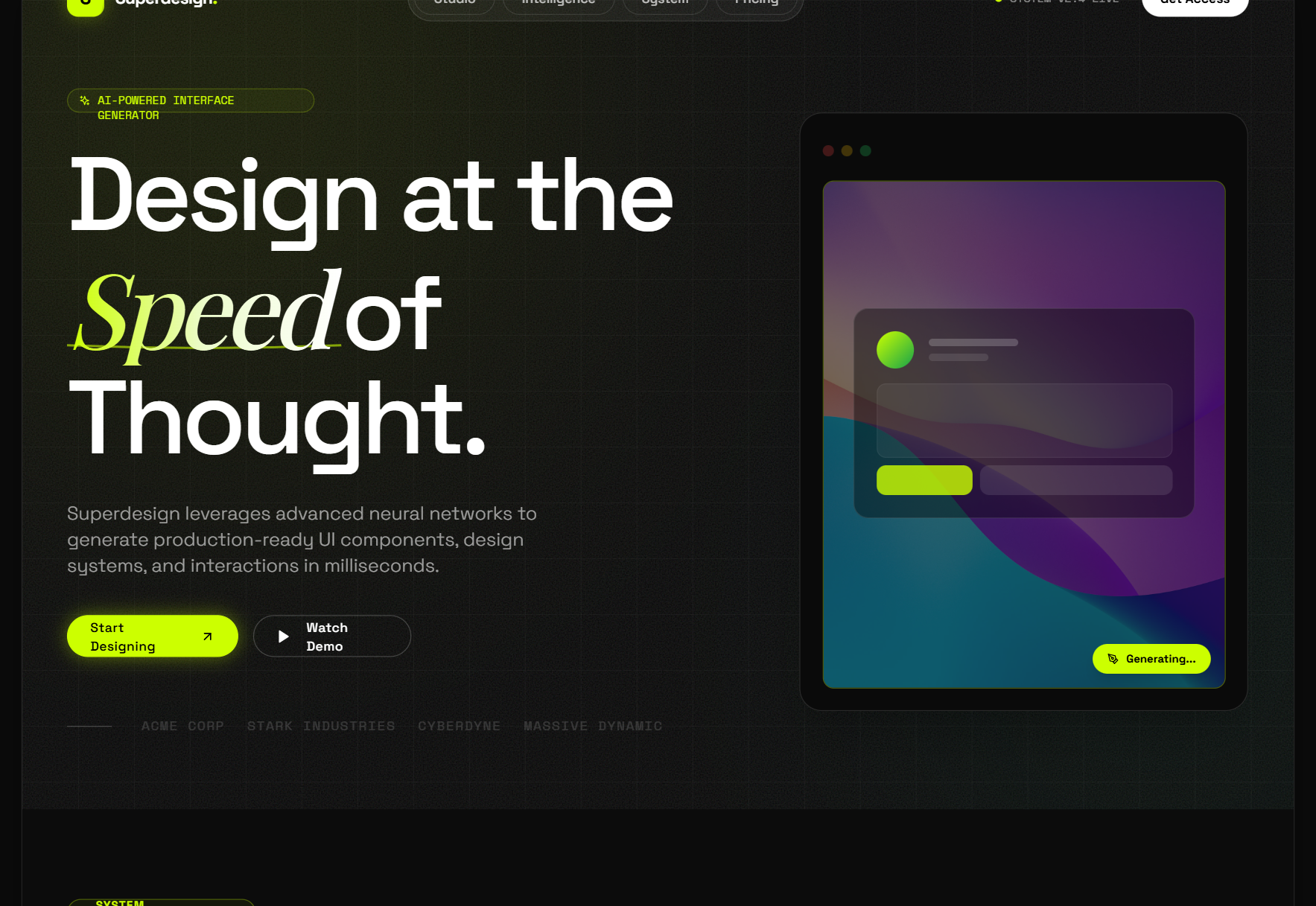
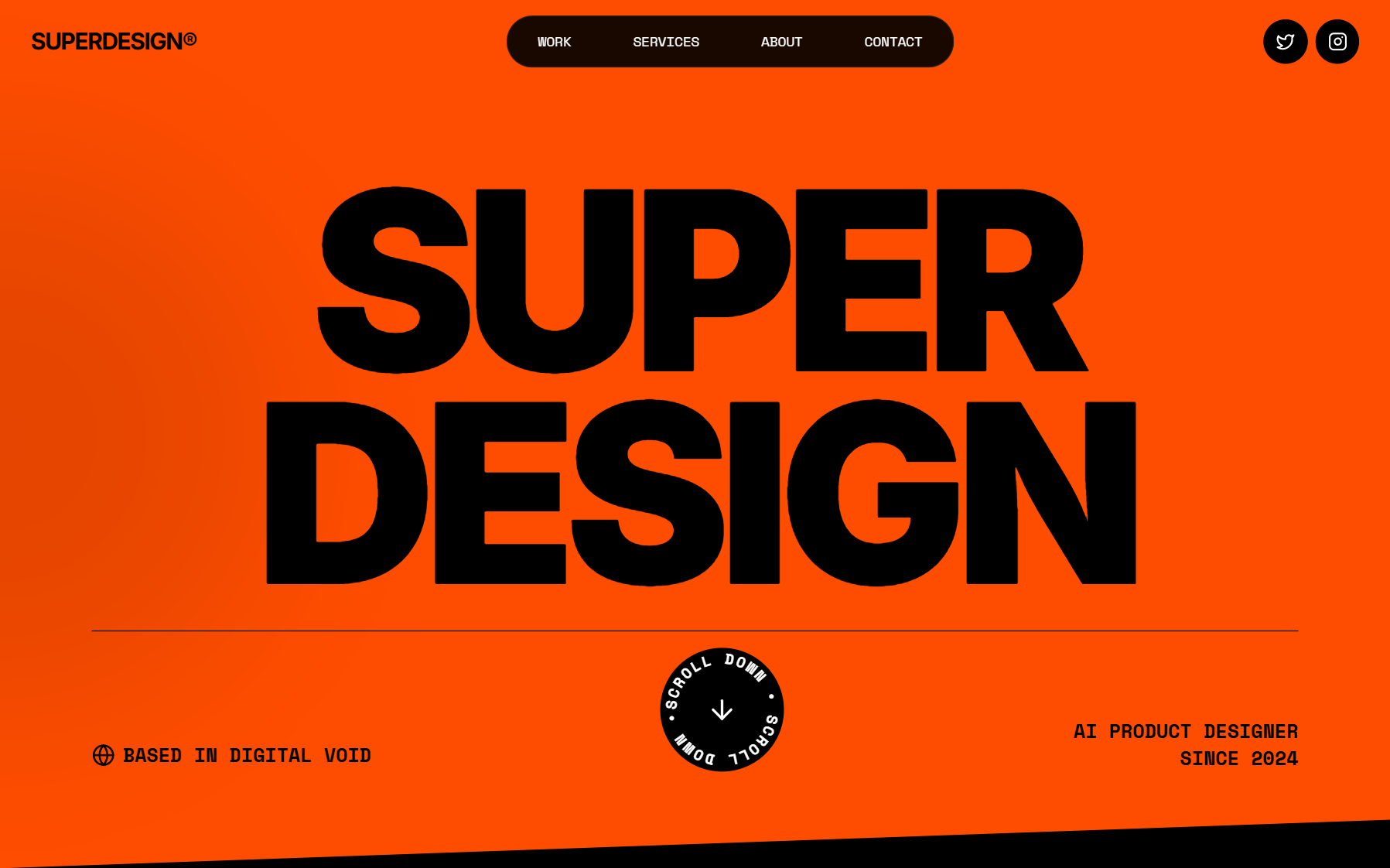
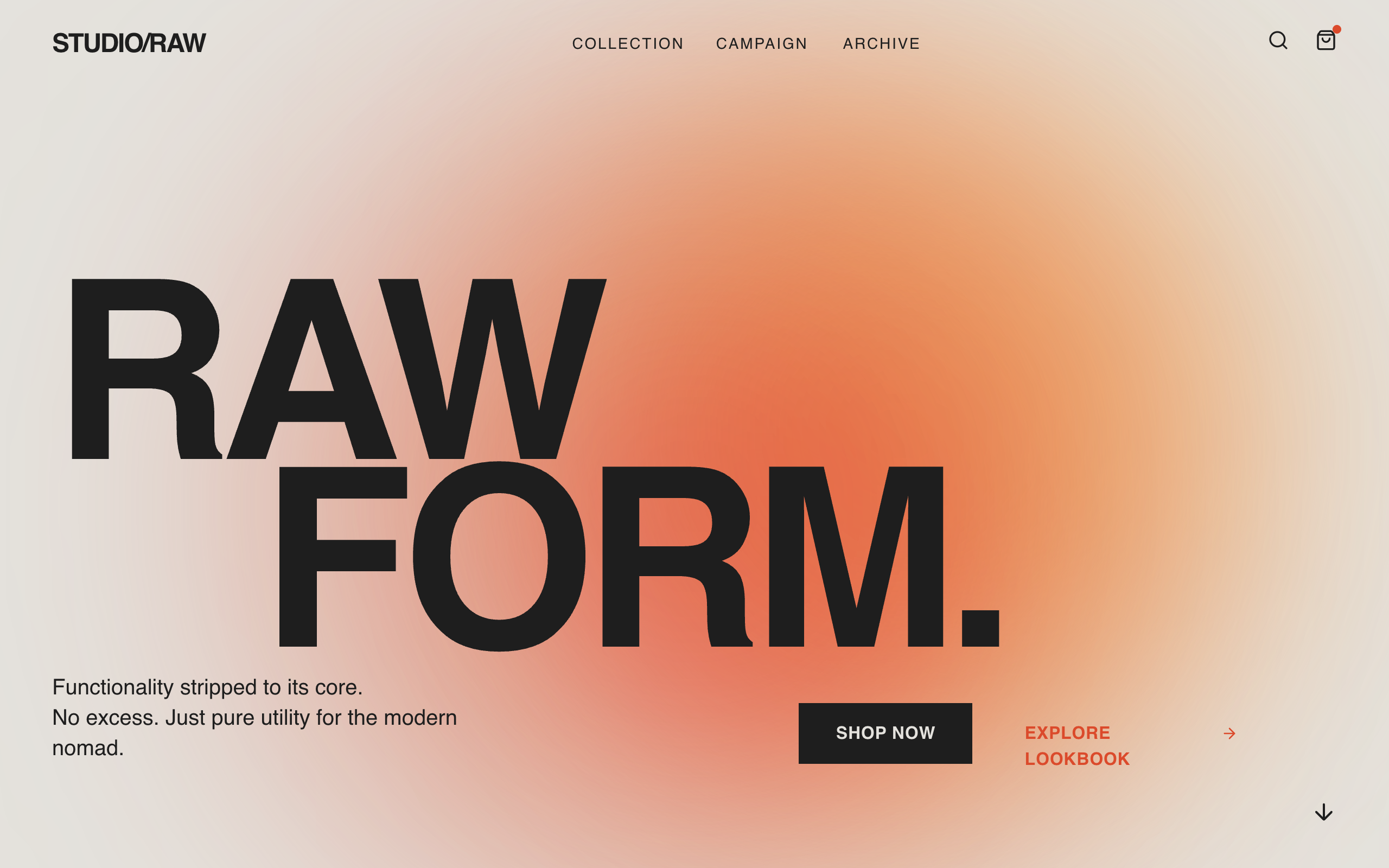
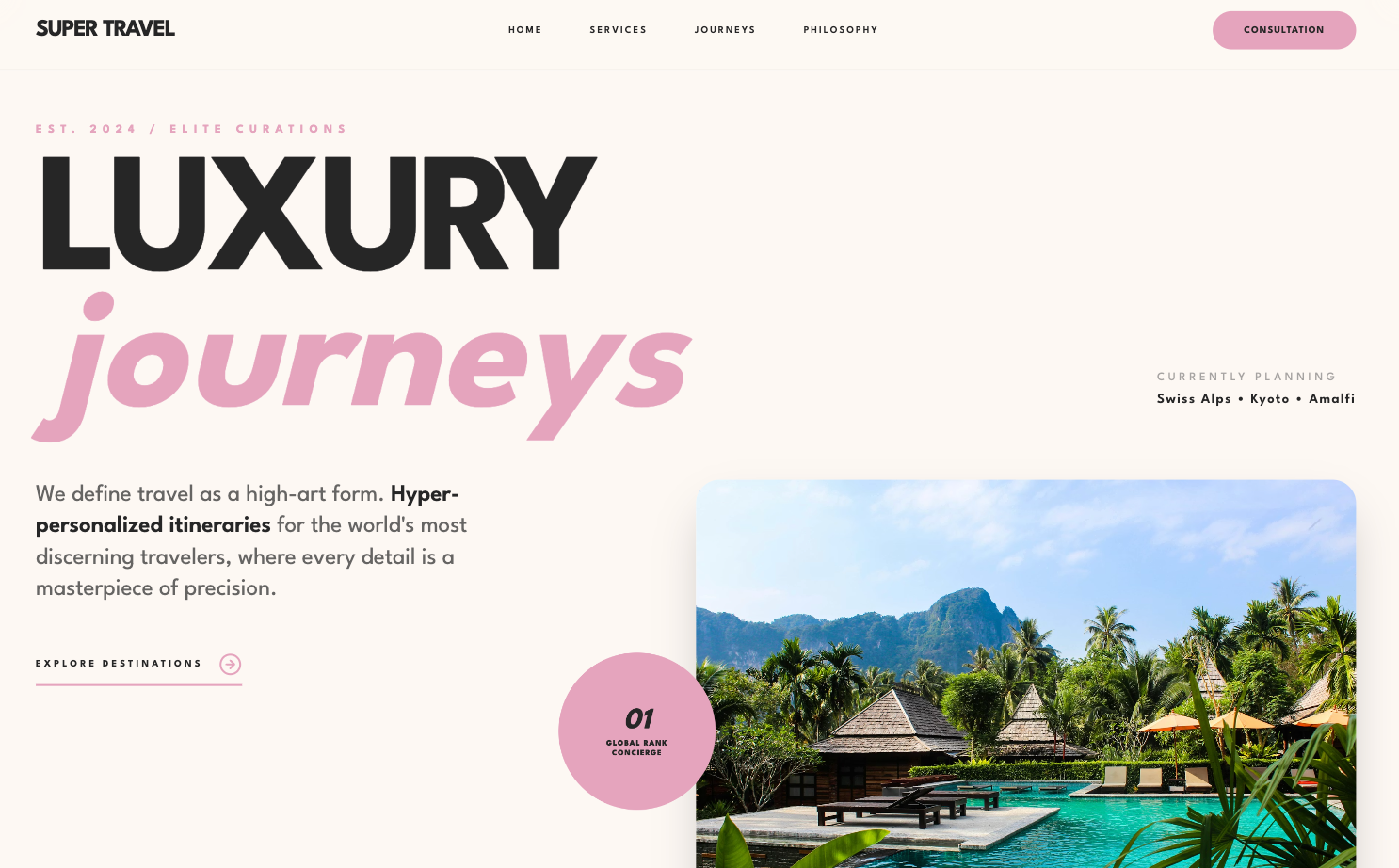
To clone a website's design into code, you capture the live page (its real DOM, styles, and structure) and convert it to clean Tailwind and React, rather than screenshotting it and rebuilding by hand. In 2026 there are four ways to do this, and they are not interchangeable: a full-site mirror, a paste-a-URL SaaS (the typical AI website cloner), a browser grab extension, and an agent that extracts the style so you can remix it into your own product. This guide covers all four, where each one breaks, and the line between borrowing a pattern and ripping off a brand.
One thing up front, because it decides which tool you want: there is a difference between copying a site and learning from it. A pixel-identical clone of someone's live product is a legal and ethical problem and usually a maintenance one too. Extracting a site's style (its spacing rhythm, color system, type scale, component shapes) as a faithful starting point for your own design is the useful, defensible version. Most AI website cloner tools blur that line. This page keeps it sharp.

Clone a website into code, step by step
The useful version of cloning a site is to extract its style as a foundation you design on, not to ship a pixel copy of someone else's product. Here is that workflow end to end:
Extract a style and build on it
Point the agent at a reference
Give a context-aware design agent a live URL (a site you admire) or your own product. It reads the rendered page and pulls out the design language: colors, type scale, spacing rhythm, and component patterns.
Capture the style as a foundation, not a copy
Instead of a pixel-for-pixel clone, you get the extracted style as a base to design on, the same way a designer uses a moodboard for direction rather than a final artifact.
Generate new screens that fit it
Prompt new pages and components on top of that foundation. They inherit the look and feel without reproducing the source one-to-one.
Take the React and Tailwind out
The output is real, editable code, not a frozen mockup, so everything you build on top is yours and stays maintainable.
What does it mean to clone a website?
Cloning a website means reproducing its design as editable code, and the word covers three very different jobs that people lump together. Knowing which one you actually want saves you from picking the wrong tool.
- Mirror the files. Download the static HTML, CSS, and assets exactly as served. This is what old tools like HTTrack do. You get a frozen, offline copy with no components and no real structure, useful for archiving, useless for building.
- Copy the design to code. Convert a page's rendered look into clean React and Tailwind you can edit. This is the modern "website to code" category, and it is what most developers mean.
- Extract the style. Pull the design system out (colors, type, spacing, component patterns) and use it as a foundation to design something new that fits your own product. This is the version that respects the line above.
The rest of this guide is about the last two, because the first one (file mirroring) is a solved, separate problem with nothing to do with design.
AI website cloner tools: the four ways in 2026
There are four practical methods, ordered from least to most useful for actually building a product. Find the row that matches your goal, then read the section under it.
| Method | Example tools | What you get | Free? | Best for |
|---|---|---|---|---|
| Full-site mirror | HTTrack, wget | Raw HTML/CSS files, no components | Yes | Archiving a page offline |
| Paste-a-URL SaaS | ui.rip, CopyWeb | A whole site as React/Tailwind | Capture free, download paid | One-shot "rebuild this page" |
| Browser grab extension | Component Grab, CSS Scan, Windy | One element or section as Tailwind | Some free | Lifting a single component you like |
| Style-extracting agent | Superdesign | The style as a base you remix into your own UI, as real code | Free tier | Designing your product, not copying theirs |
The split that matters: the first three reproduce that site. The last one uses that site as input to design yours. If your goal is to ship your own product faster, you want a method that gives you a starting point you can change, not a frozen copy you have to untangle.
How do you copy a whole website to code with a URL?
You paste the live URL into a reverse-engineering tool and it renders the page in a real browser, reads the computed styles, detects component boundaries, and outputs React with Tailwind classes. ui.rip and CopyWeb are the two best-known in 2026. ui.rip generates a Next.js project with a tailwind.config.ts of extracted tokens and reports an average capture around 73 seconds; CopyWeb pitches "pixel-faithful" React, Vue, or HTML from a URL, screenshot, or Figma file.
These are genuinely fast for a one-shot "I need this page rebuilt." The honest caveats, the same ones that apply to every design-to-code tool:
- It clones the whole page, including the parts you do not want. You get their layout, their copy structure, their quirks, and then you spend time deleting what does not fit your product.
- Download is usually metered. Capture and preview are typically free; getting the code out costs credits.
- It reproduces their site, not your design system. The output matches the source, not your existing components, so integrating it into a real codebase means reconciling two different conventions.
A full-page clone is the right tool when you literally want to rebuild a specific page. It is the wrong tool when you want to borrow a look and make it yours, because most of the output is throwaway.
How do you grab just one component from a live site?
You use a browser extension that lets you point at a single element and copy it out as Tailwind, instead of cloning the entire page. This is the move most developers actually want, because the thing you admire is usually one card, one nav, one pricing block, not the whole site.
Superdesign's free Chrome "Component Grab" does exactly this: grab any live web component, your own production UI or a pattern you like, and it turns the messy DOM into clean Tailwind pixel perfectly, ready to remix on the canvas or paste straight into Claude Code or Cursor. It is free forever. Other extensions in this lane, like CSS Scan and Windy, hover-to-copy any element's CSS as Tailwind classes, which is handy for inspecting how a single piece is built.
The reason grabbing beats cloning here is that you are capturing reality at the unit you care about. You see a component you like, you grab it, you get real Tailwind with the real spacing and states, and you drop it into your project. No screenshot, no Figma redraw, no untangling a whole page to keep one card. We go deeper on killing the screenshot-into-Figma habit in our Figma alternative guide.
How do you extract a site's style instead of copying it?
You point a context-aware design agent at a live page and have it pull out the style (colors, type scale, spacing, component patterns) as a foundation you design on top of, rather than reproducing the page one-to-one. This is the version that stays on the right side of the inspiration line, and it is the most useful for building your own product.
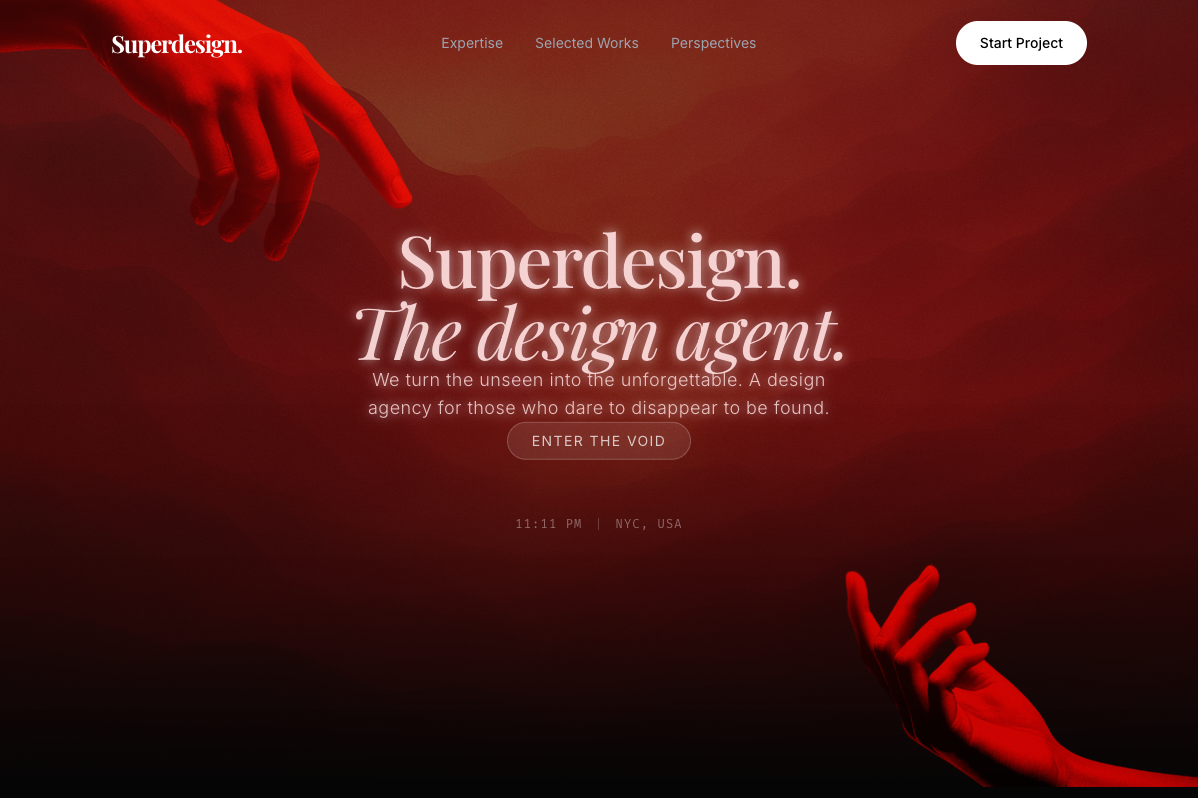
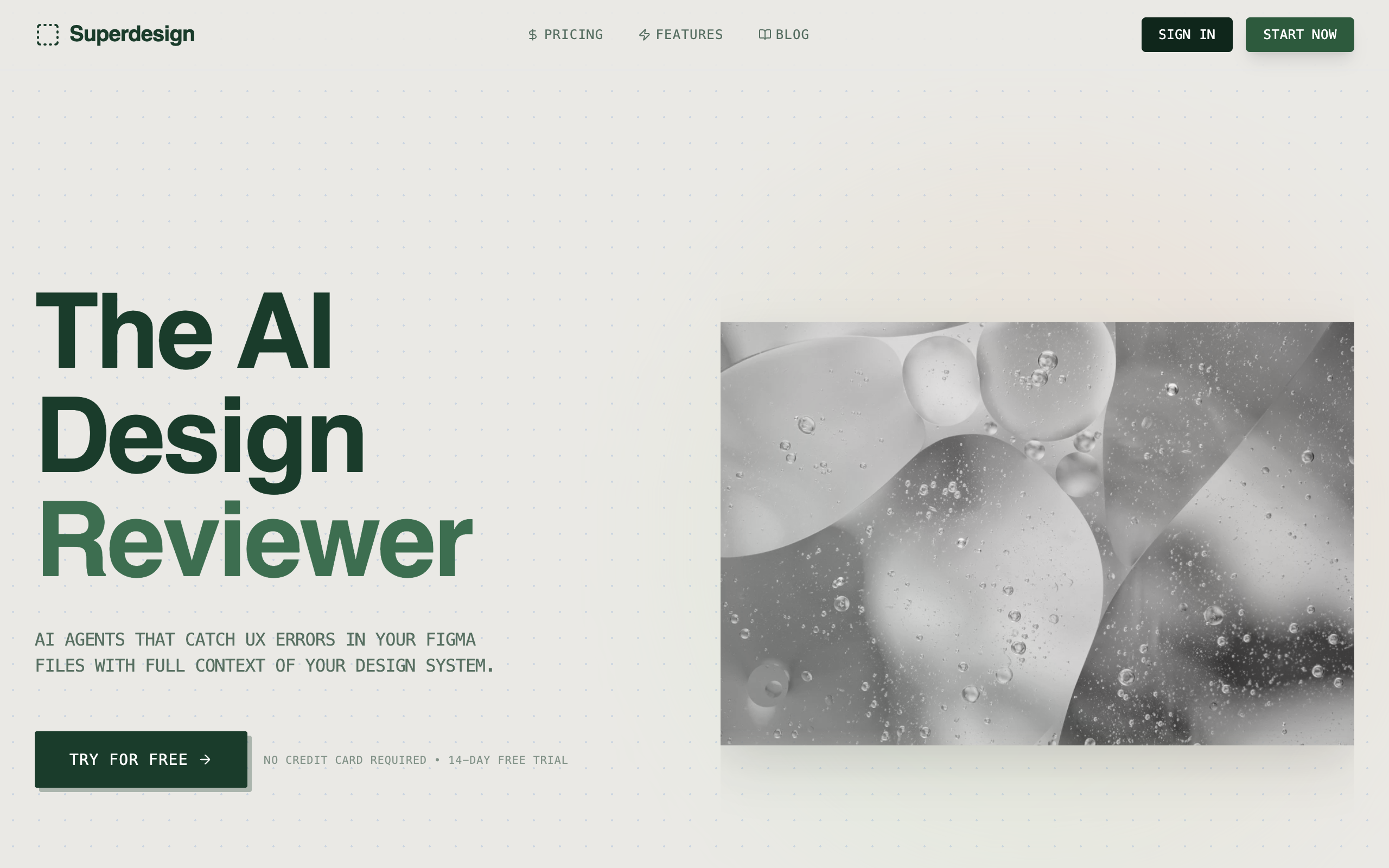
The premise Superdesign is built on is that most AI design tools start from zero context, like onboarding a brand-new designer who has never seen your product. Point the agent at a reference site and it extracts that site's design language; point it at your own product and it captures what you already ship. Either way you get a real foundation, then you generate new screens that fit it, and what comes out is React and Tailwind, not a frozen mockup. You are using the reference the way a designer uses a moodboard: as direction, not as the final artifact. For the hands-on mechanics of pulling those tokens out of a live page, see how to extract a design system from a website.
This is also the answer to the maintenance problem. A cloned page is dead the moment you need to change it, because it was never structured around your system. A style you extracted and then designed with is alive, because everything you built on top of it is yours.
Is it legal to clone a website?
Cloning a website's underlying code, copy, images, and brand assets and republishing them is not legal: the design, content, and trademarks are protected, and a pixel-identical copy of a live product invites a takedown or worse. What is fine, and what every designer has always done, is studying how a site solves a problem and using that understanding to inform your own original work.
The practical line:
Crosses the line
- ✕Copying a site's exact layout, copy, and brand assets and shipping it as your own
- ✕Cloning a competitor's product page pixel-for-pixel
- ✕Reusing someone's logo, photography, or written content
- ✕Passing off a clone as an original to a client
Fair game
- ✓Extracting the spacing rhythm, type scale, and color logic as a starting point
- ✓Grabbing a single component pattern and rebuilding it in your own system
- ✓Using a site as a reference to generate new, original screens
- ✓Capturing your OWN production UI to design consistent new pages
The tools above can all be pointed at either side of this line. Keep yourself on the fair-game side: extract the approach, build something that is yours.
Which website cloning method should you choose?
Match the method to what you actually want out the other end:
- You want a specific page rebuilt once → a paste-a-URL tool like ui.rip or CopyWeb. Fast, but expect to delete a lot and reconcile it with your codebase.
- You like one component and want it in Tailwind → a grab extension. Component Grab is free forever and outputs clean Tailwind you can remix or paste into your agent.
- You want a site's look as a base for your own product → a style-extracting agent like Superdesign, which gives you a real foundation plus new React and Tailwind screens that fit it.
- You just need an offline copy of a page → HTTrack or wget. Not a design tool, but the right one for archiving.
If you are converting from a design file rather than a live site, the workflow is different: see Figma to Tailwind for that path. And if you want to see the kinds of UI you can generate once you have a style to build on, browse the Superdesign prompt library. The fastest version of "clone a website" for building is the one where the clone is just your starting point, and everything after it is original.