Two tools keep coming up whenever teams talk about AI-powered UI creation in 2026: Lovable and Superdesign. Both let you describe what you want and get a working interface back in seconds. But they solve fundamentally different problems, and picking the wrong one will cost you time.
This guide breaks down exactly how Lovable and Superdesign differ, who each tool is built for, and how to decide which one belongs in your stack.

The short answer
Lovable is a full-stack app builder. You describe an application, it generates frontend + backend + database + auth, and you get a deployed URL. It's aimed at founders and developers who want to ship a working product fast.
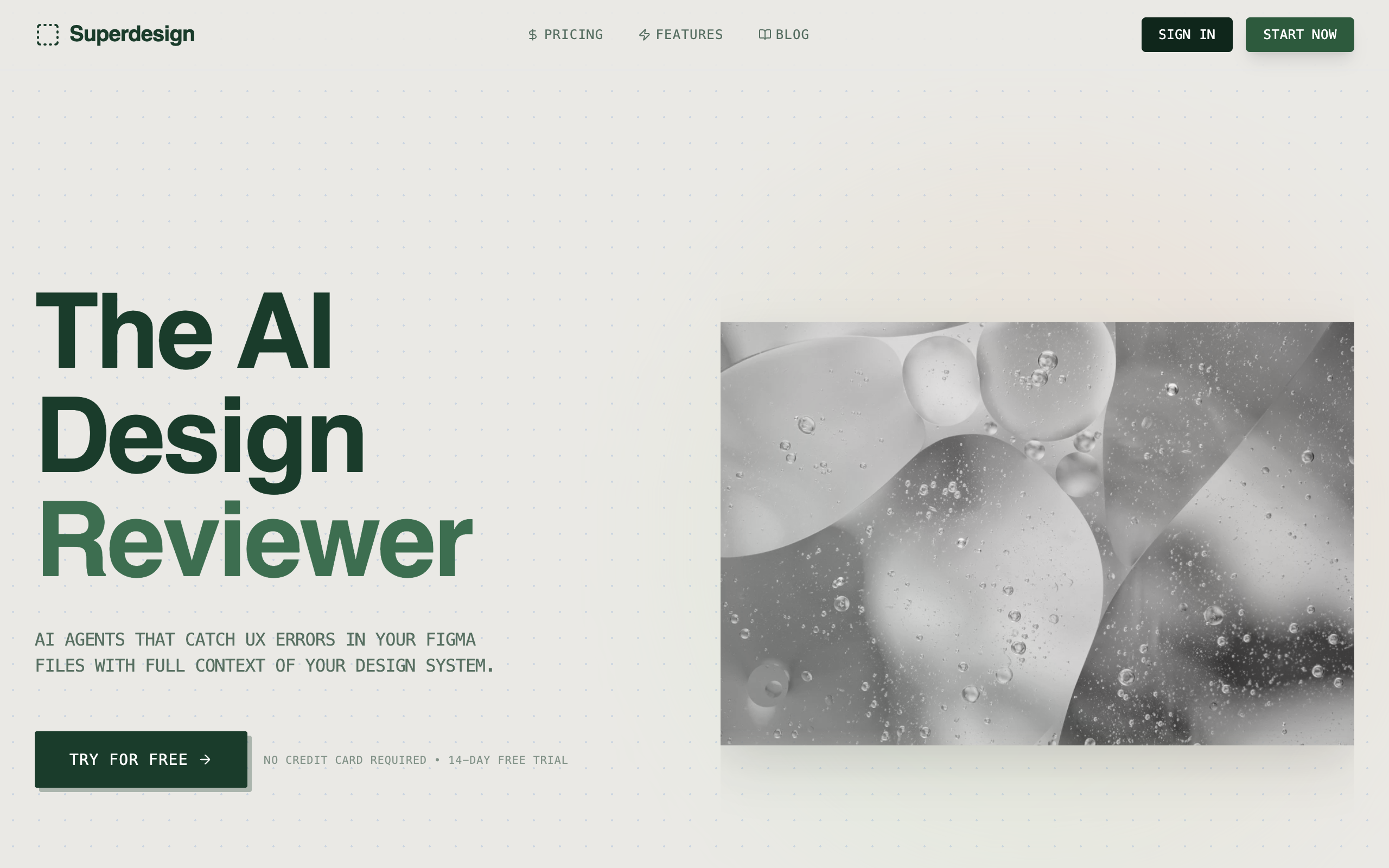
Superdesign is a design-first UI generator. You describe an interface, a dashboard, a landing page, a component system, and it generates polished, production-ready designs and code. It's built for designers, product teams, and developers who care deeply about visual quality and want to iterate on UI without the overhead of a full-stack framework.
The distinction matters: Lovable builds apps; Superdesign designs interfaces. If you need both, they can work together. But they're not interchangeable.
What is Lovable?
Lovable (lovable.dev) launched as an AI-powered full-stack app builder aimed at non-technical founders. You describe your product in plain English, and Lovable generates a complete application: React frontend, Supabase backend, authentication, database schema, and a live deployment. For people who want to go from idea to working MVP in an afternoon, it's genuinely impressive.
Lovable's strength is breadth. It handles the whole stack so you don't have to think about infrastructure. The tradeoff is that UI polish takes a back seat. Lovable generates functional interfaces, buttons work, forms submit, data persists, but the visual output tends toward generic. You get a working product, not necessarily a beautiful one.
This is a deliberate choice. Lovable's users are primarily building to validate ideas and show investors or early customers. They need working software, not award-winning design.
What is Superdesign?
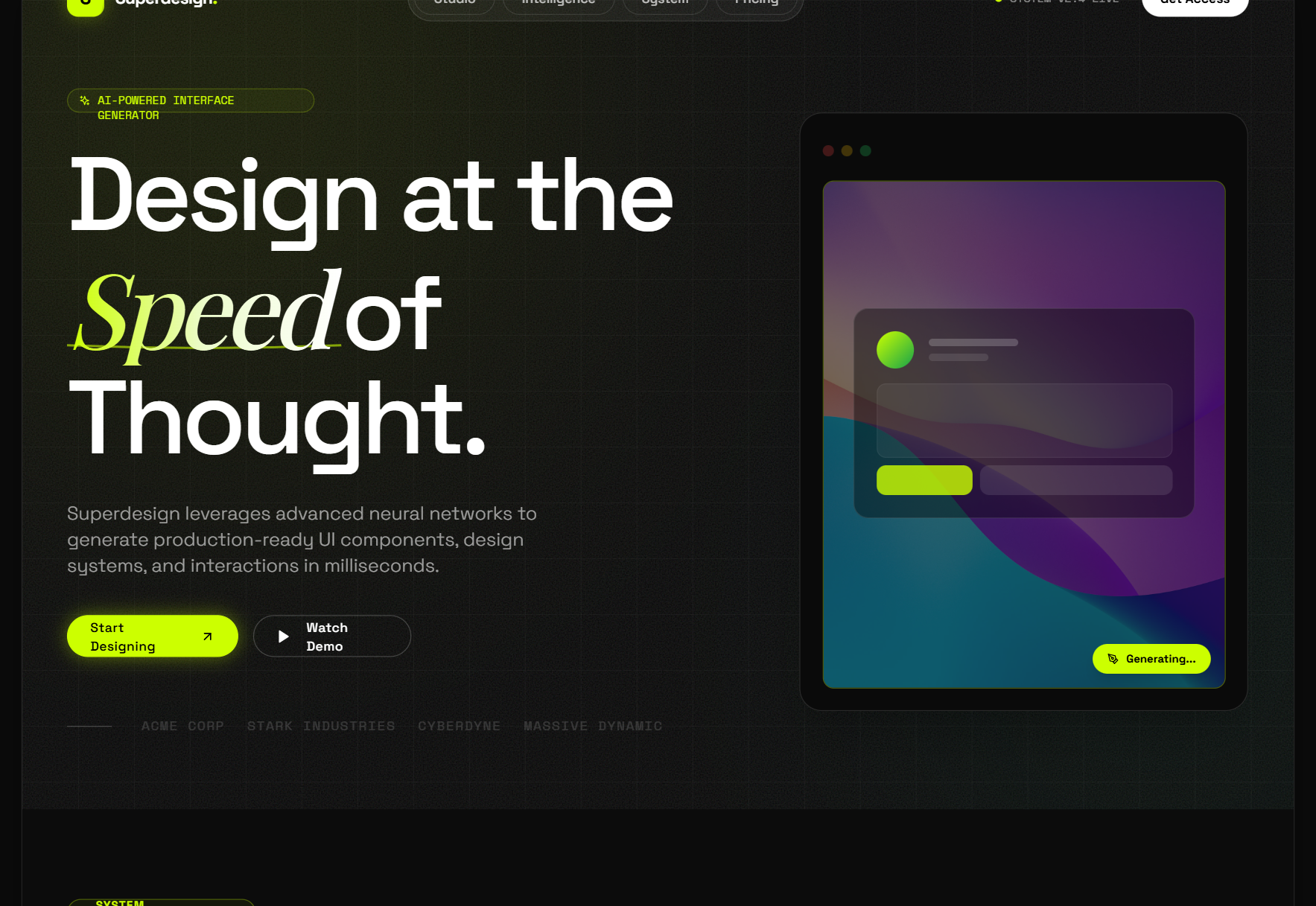
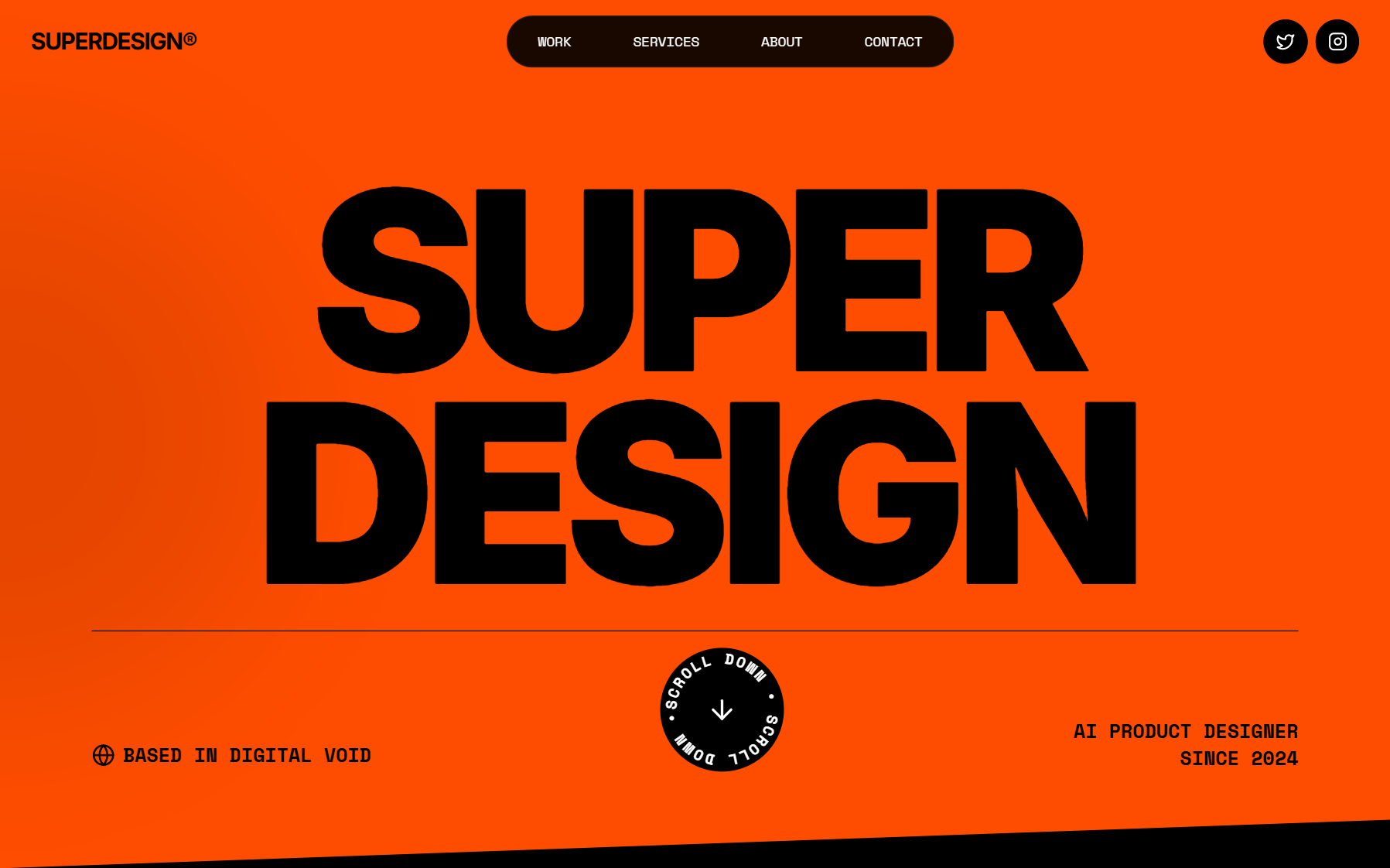
Superdesign is an AI design platform built for teams that want exceptional UI, fast. You describe the interface you want (a settings page, a pricing section, a dark dashboard with charts), and Superdesign generates high-quality UI components and full pages on an infinite canvas, complete with production-ready code.
Where Lovable skims over design in favor of full-stack functionality, Superdesign goes deep on visual quality. It's built around the idea that design should be as fast as prompting, but the output should look like it came from a senior designer, not a generic template. You can start from the design prompt library, a free collection of UI design prompts, and adapt one to your product.
Superdesign's infinite canvas lets you explore multiple design directions simultaneously, compare variants side by side, and iterate with natural language. You're not writing code or dragging elements around, you're directing a design AI with taste.
Lovable vs Superdesign: a direct comparison
1. UI quality
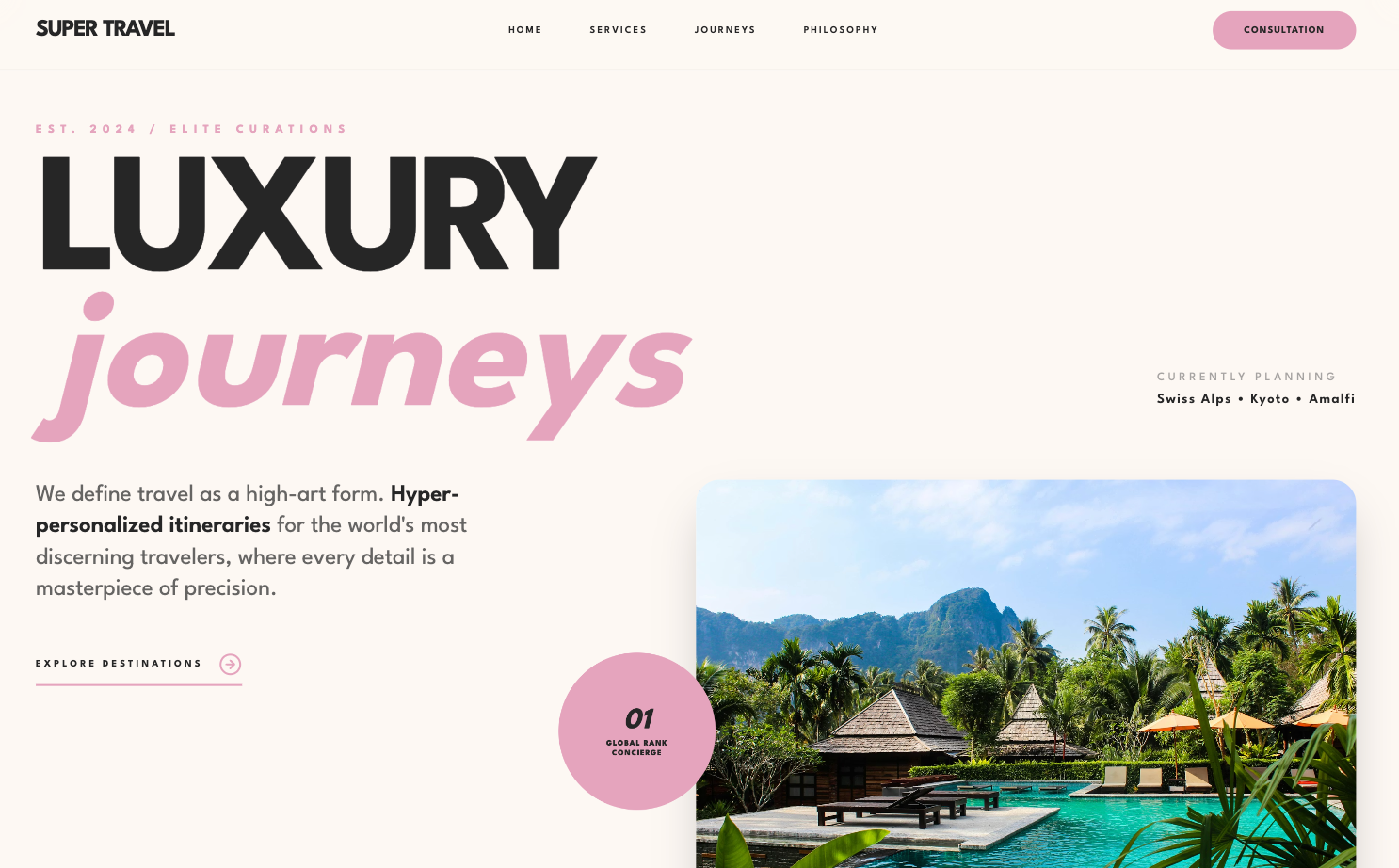
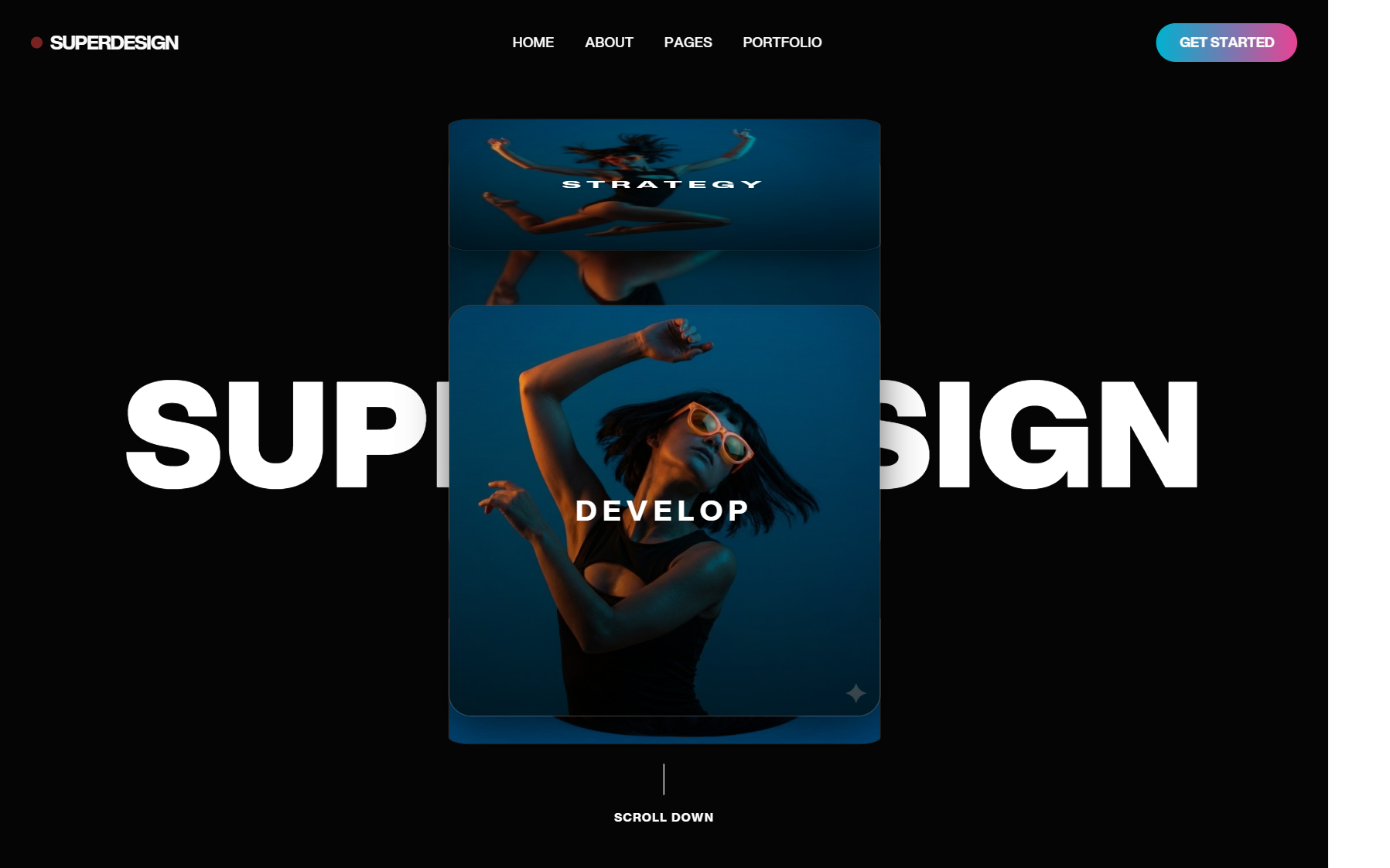
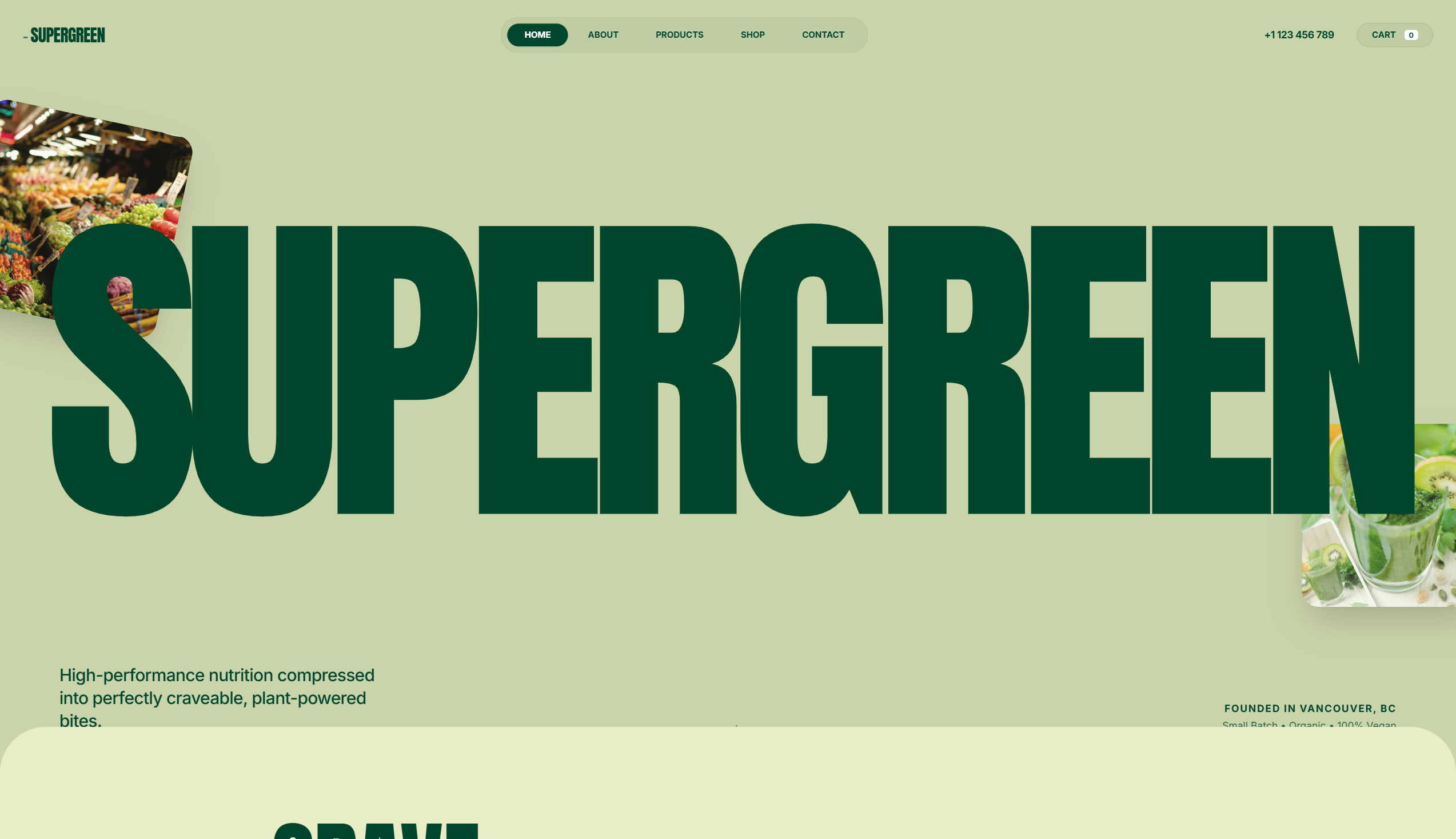
This is the biggest difference between the two tools. Lovable generates functional UI that gets the job done. Superdesign generates UI that looks intentional, proper spacing, consistent component styles, thoughtful visual hierarchy.
If you've used Lovable and felt like the output looked "AI-generated" in a way that would embarrass you in a demo, you've hit this limitation. Lovable prioritizes function over form. Superdesign is built specifically to close that gap.
2. Design iteration
Lovable's iteration model is conversational: you type a change, it regenerates. This works well for functional changes ("add a login page", "connect this to my database") but is slow and unpredictable for visual changes ("make this feel more premium", "use a warmer color palette").
Superdesign's canvas-based approach is built for design iteration. You can generate multiple variants of the same component, compare them visually, combine elements from different generations, and converge on the right direction without losing previous work.
3. Full-stack vs design-first
Lovable gives you a full application: frontend, backend, database, auth, and deployment. Superdesign gives you exceptional UI and the production-ready code behind it. Superdesign doesn't manage your backend or host your application, it generates the interface layer.
This isn't a weakness. Most professional teams already have their backend, their database, their deployment pipeline. They need better UI faster, not a new full-stack framework. Superdesign fits into your existing engineering workflow; Lovable replaces it.
4. Target user
Lovable is for non-technical founders, solo builders, and early-stage teams who want to ship an MVP without writing code. It's for people who don't have an engineering team yet.
Superdesign is for designers, product teams, and frontend developers who want to move faster without sacrificing quality. It's for people who already know what good design looks like and want an AI that can keep up.
5. Workflow integration
Lovable is a standalone platform, you build inside Lovable and deploy from Lovable. It's designed to be your entire development environment, especially if you're not a developer.
Superdesign integrates into your existing workflow. Generate UI on the canvas, export the code, drop it into your existing React or Next.js project. No platform lock-in, no new infrastructure to manage.
6. Consistency and design systems
Lovable generates each screen somewhat independently, consistent enough for an MVP, but not something you'd trust for a product with a serious design system.
Superdesign is built around consistency. You can define your design language once, typography, color palette, spacing, component styles, and every generation respects it. This is critical for teams building products where visual consistency is a quality signal, not a nice-to-have.
When should you choose Lovable?
Choose Lovable when:
- You're a non-technical founder building an MVP and need working software as fast as possible
- You don't have an engineering team and need the tool to handle your entire stack
- You're validating an idea and functional beats beautiful for your current stage
- You need auth, database, and backend generated alongside your frontend
- You're building something internal where visual polish isn't the priority
Lovable is genuinely excellent at what it does. If your goal is "working app as fast as possible," it delivers.
When should you choose Superdesign?
Choose Superdesign when:
- You're a designer, PM, or frontend developer who needs high-quality UI fast
- You're working on a product where visual quality matters, customer-facing apps, marketing sites, design-conscious B2B tools
- You need to explore multiple design directions simultaneously, not iterate linearly
- You already have a backend and just need the interface layer
- You're maintaining a design system and need AI-generated UI that respects your existing tokens and components
- You want to iterate visually, comparing variants, mixing elements, refining with precision
Can you use both?
Yes, and some teams do. Lovable handles the full-stack scaffolding and backend wiring. Superdesign handles the UI layer. You use Lovable to get your data models and API routes set up quickly, then bring in Superdesign to make the frontend look like something a real designer built.
This hybrid approach works especially well for early-stage teams who need to move fast on everything but still care about the product experience. Lovable gets you to "working"; Superdesign gets you to "polished."
The verdict
Lovable and Superdesign aren't competitors in the traditional sense, they solve different problems. Lovable is the fastest path to a working full-stack application. Superdesign is the fastest path to a great-looking, production-quality UI.
The question isn't which tool is better. It's what you need right now. If you're pre-product and moving at startup speed, Lovable might be your first tool. If you're iterating on a real product where the UI is part of your competitive differentiation, Superdesign is what you reach for.
Most teams building products worth using eventually care about both. They start fast with Lovable-style scaffolding, then invest in the kind of design quality that Superdesign accelerates.
Start designing
If you're ready to see what AI-generated UI looks like when visual quality is the priority, not an afterthought, try Superdesign free. Generate your first component in 30 seconds. No credit card required.